The Faculty of Environment and Labour Safety contributes six scientific reports to the Conference on Earth Sciences and Sustainable Development 2026 (CESD 2026)


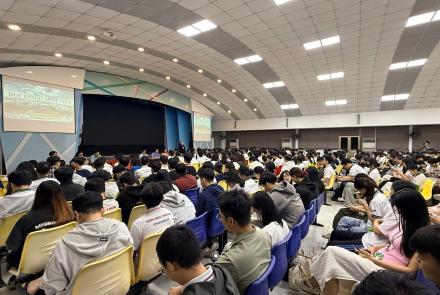
On November 12, 2026, lecturers and graduate students from the Faculty of Environment and Labour Safety, Ton Duc Thang University (TDTU) attended the Conference on Earth Sciences and Sustainable Development 2026 (CESD 2026) at the University of Science, Vietnam National University Ho Chi Minh City (VNUHCM). Held as part of the University’s 15th Scientific Conference, CESD 2026 provides a forum for scientists, lecturers and students to share research on earth sciences, the environment and sustainable development. This year, six of the Faculty’s submissions were officially accepted by the Organizing Committee: two oral presentations and four posters.
In Session S1, the Faculty’s two oral presentations offered strongly application-oriented approaches. Dr. Ho Ngo Anh Dao presented a study on aggregate compositions using industrial wastes for adobe brick manufacturing (CESD26-022), which turns waste into building materials, easing the burden of waste treatment and resource extraction in line with circular economy principles. Dr. Vu Duc Canh introduced the application of wastewater-based epidemiology to monitor the circulation of respiratory viruses in Ho Chi Minh City (CESD26-025), showing how municipal wastewater can serve as an early-warning data source that effectively supports case-based disease surveillance.
In the poster session, the Faculty’s four studies shared a common focus on low-cost materials derived from biological sources and agricultural by-products for water treatment and monitoring. Moringa oleifera seeds were evaluated as a coagulant for removing organisms from water (CESD26-024), while Moringa seed husks were converted into activated carbon for passive sampling and microbial recovery from domestic wastewater (CESD26-029). Bamboo-based microporous activated carbon was optimized by central composite design – response surface methodology (CCD-RSM) for Congo red removal (CESD26-028), and a coconut shell-derived TiO₂/activated carbon hybrid material was developed to remove both methylene blue dye and cyanobacteria (CESD26-064). The student co-authors presented their results in person, answered questions and exchanged ideas with researchers and students from many universities and research institutes.
Participation in CESD 2026 gave the Faculty an opportunity to share its research in water and wastewater treatment, waste valorization, and environmental monitoring linked to public health. For students, it was a valuable experience to practise presenting science in English, keep up with emerging research directions and expand their academic networks – essential preparation for their future research and publication journey.
Here are some highlights of the Faculty at the conference:
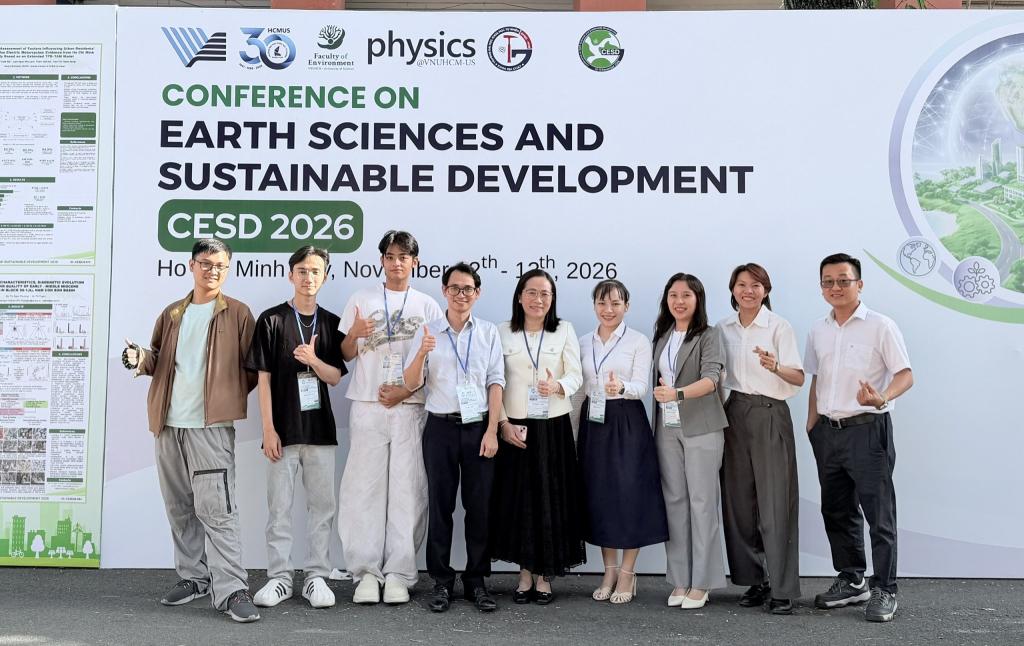
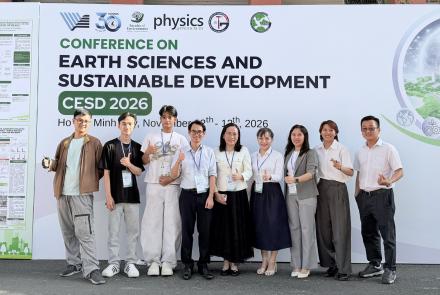
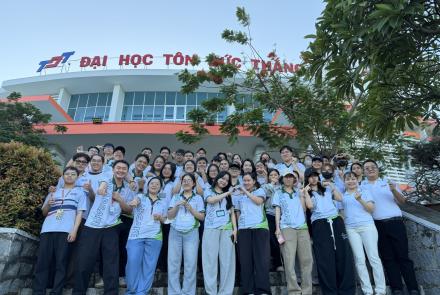
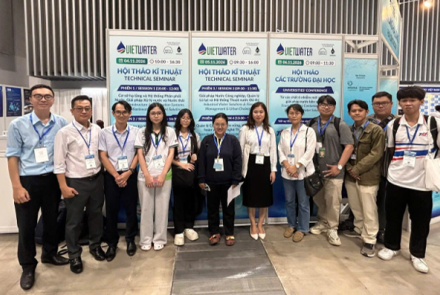
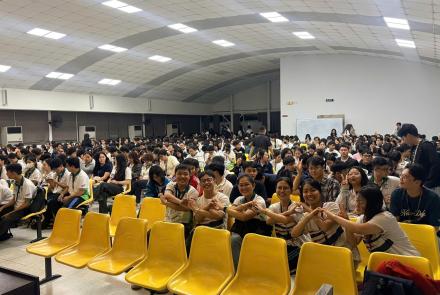
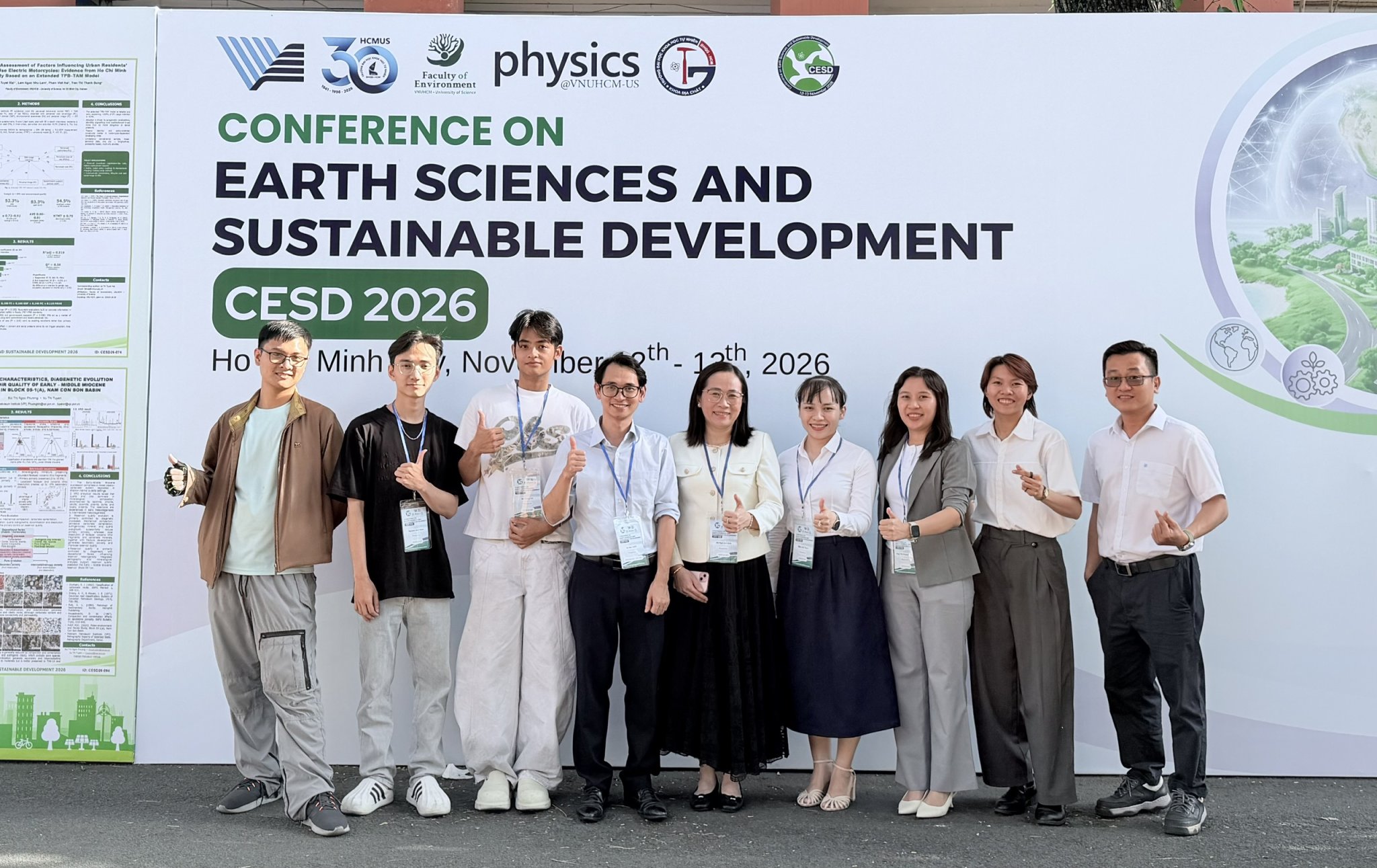
Group photo of lecturers and students at the conference
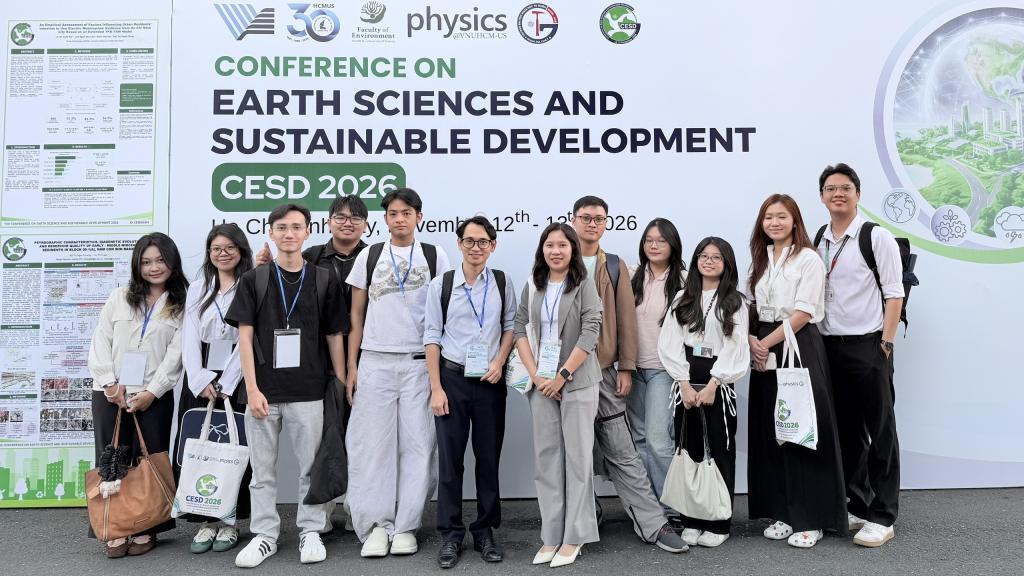
The Faculty’s delegation at CESD 2026
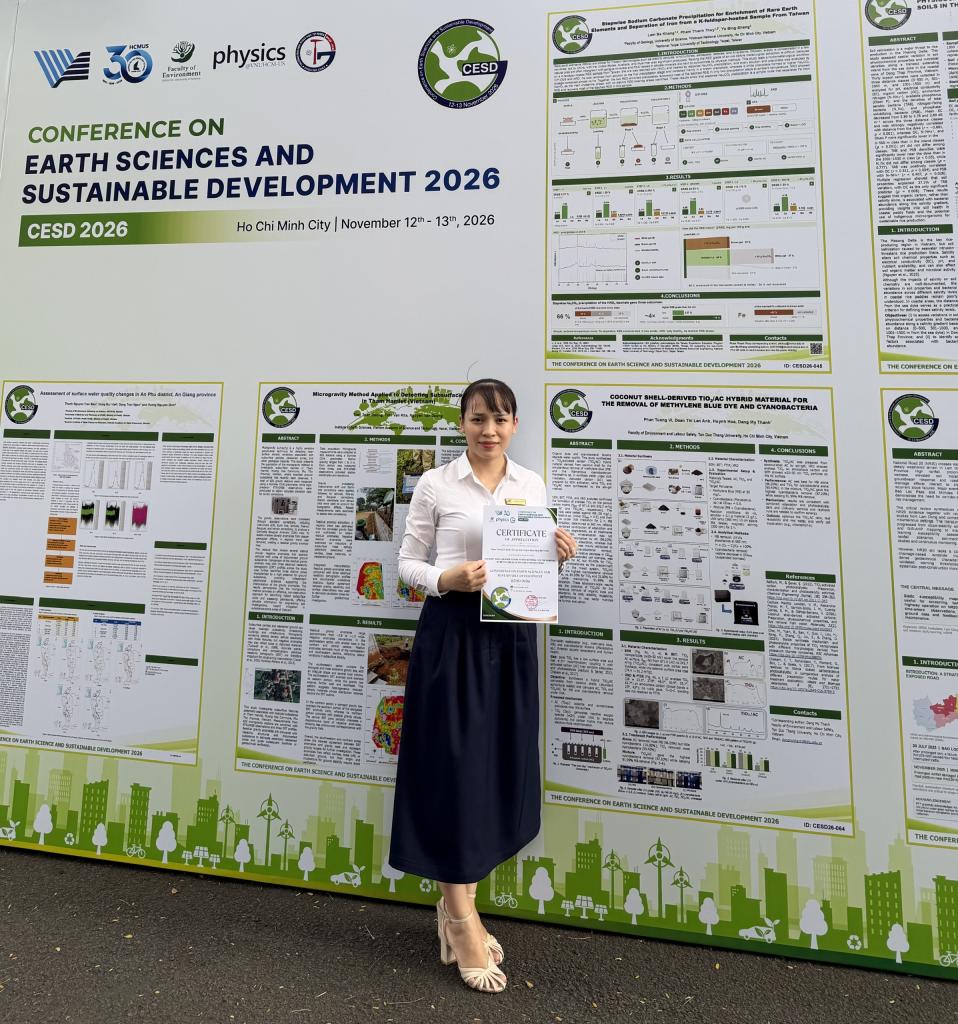
MSc. Dang My Thanh receiving a certificate at poster CESD26-064
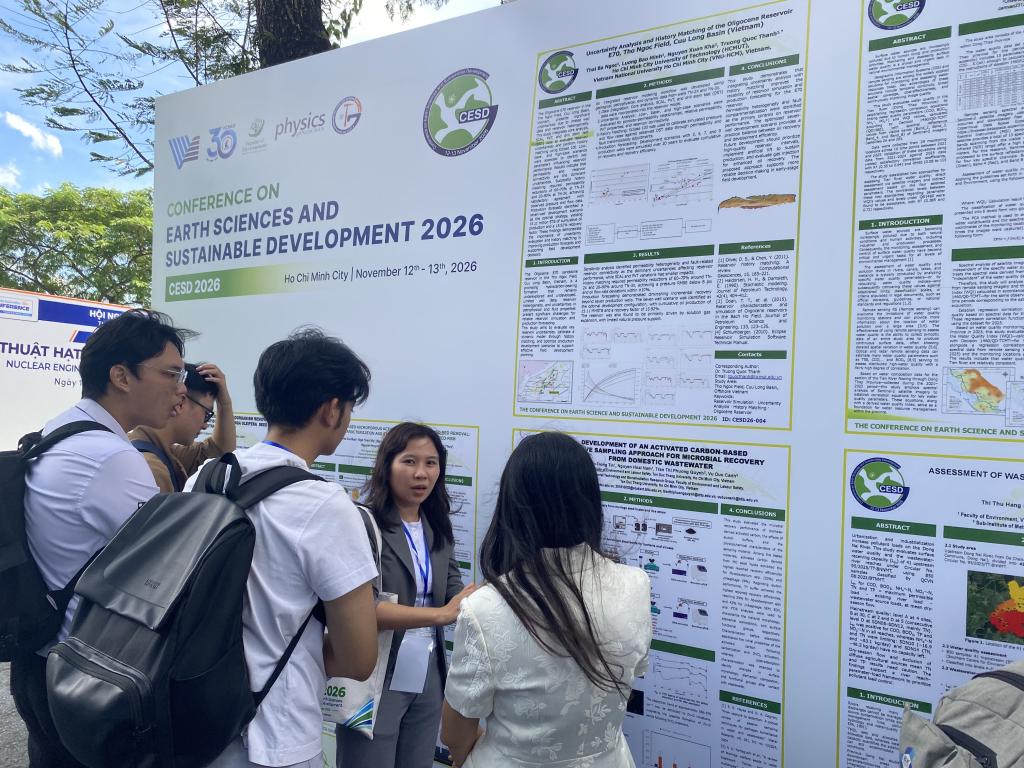
Dr. Tran Thi Phuong Quynh discussing research directions at poster CESD26-028
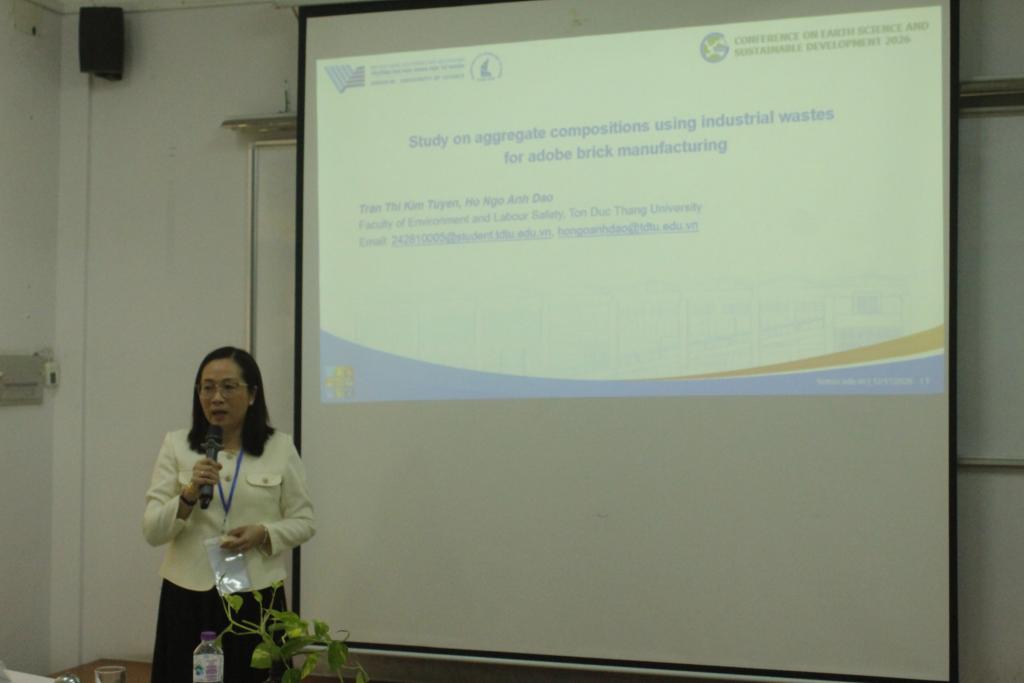
Dr. Ho Ngo Anh Dao presenting CESD26-022 in Session S1
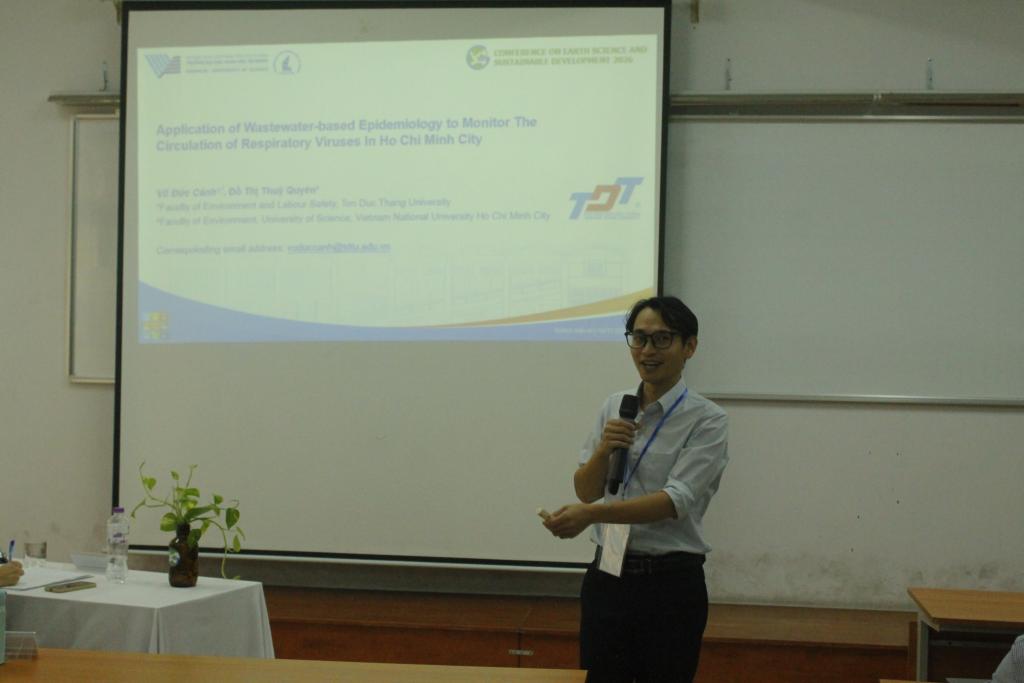
Dr. Vu Duc Canh presenting CESD26-025 in Session S1
- Log in to post comments