Field Trip on Biodiversity Conservation for Environmental Science Students at TDTU's Bao Loc Campus


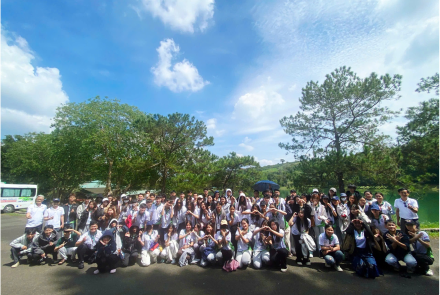
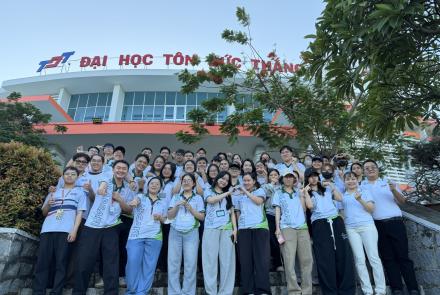
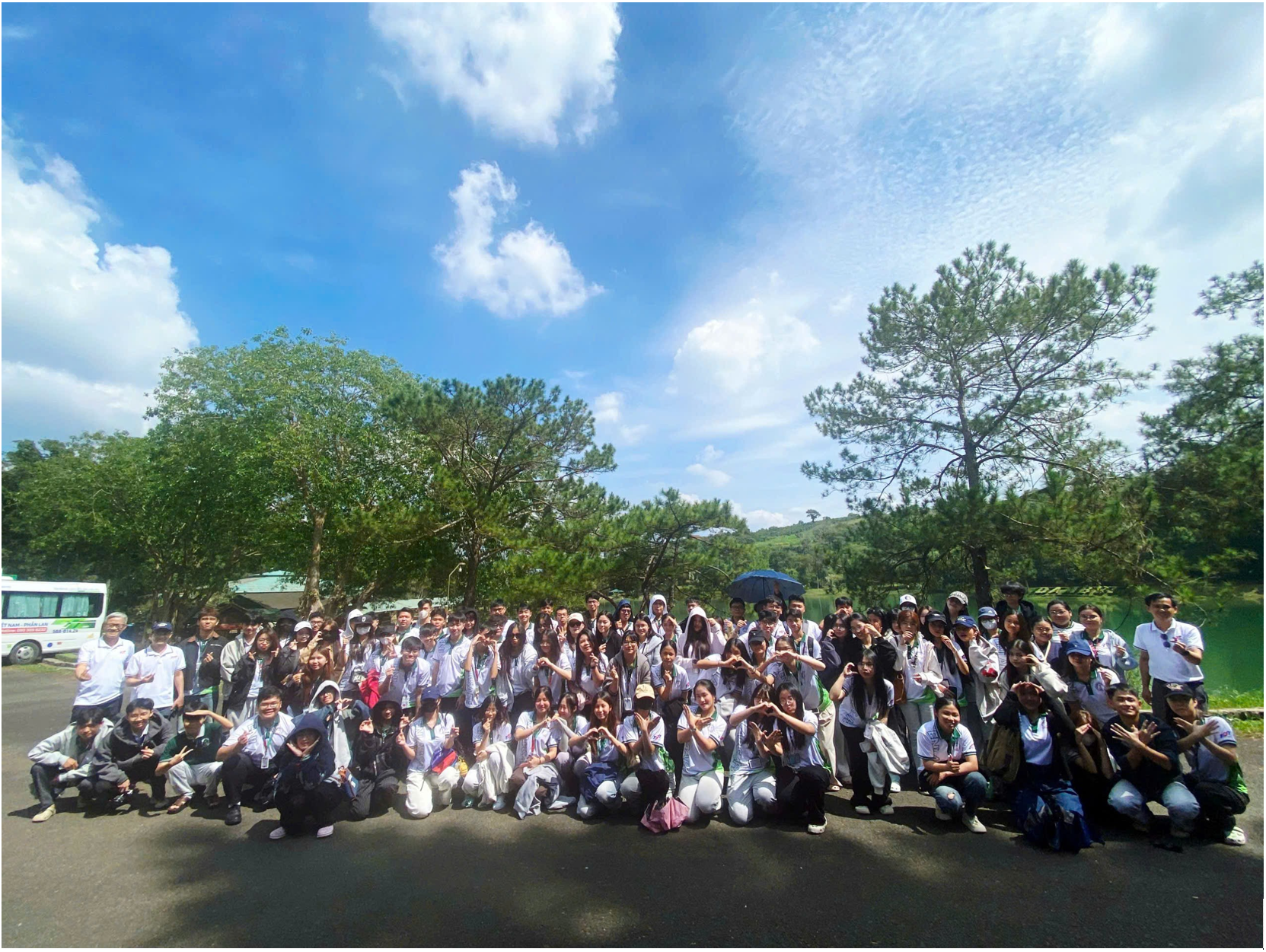
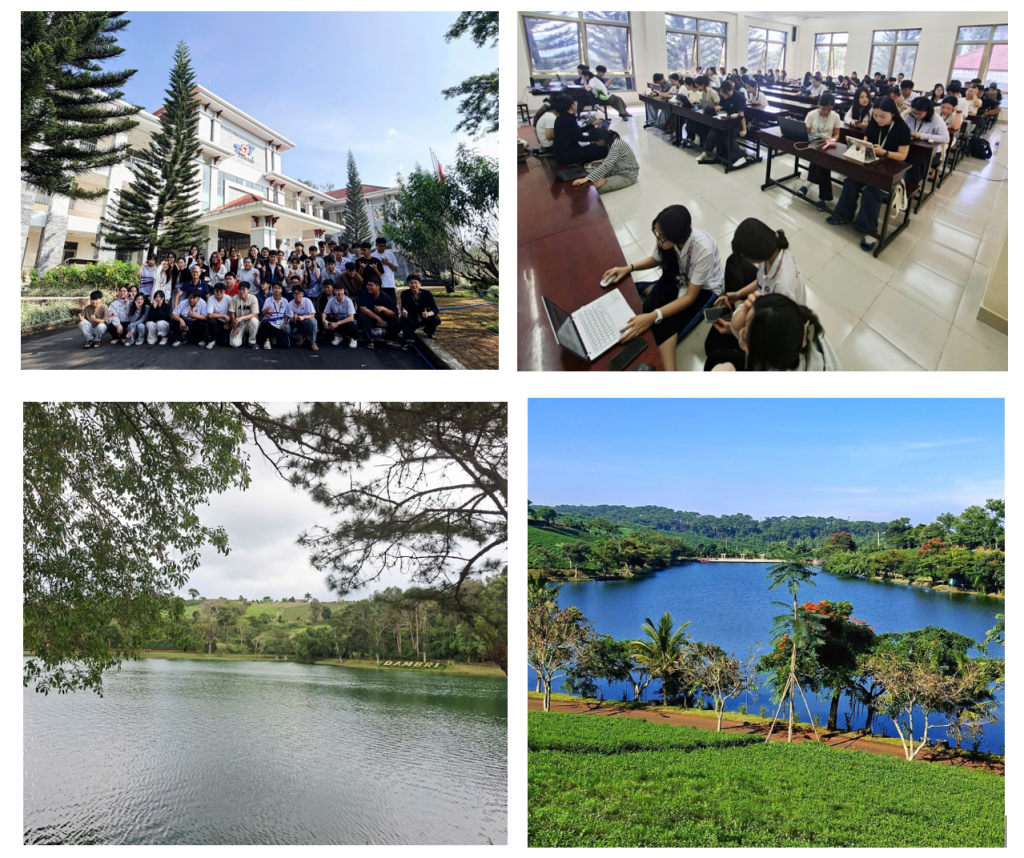
To strengthen practice-oriented education, second- and third-year students majoring in Environmental Science at the Faculty of Environment & Labour Safety (Enlabsafe), Ton Duc Thang University (TDTU), took part in a field trip to TDTU's Bao Loc Campus and surrounding areas in Lam Dong Province from November 14 to 16, 2026. As part of the Biodiversity Conservation course, the field trip aimed to help students apply theoretical knowledge to identify and analyze ecological values while exploring challenges associated with conserving local natural resources.
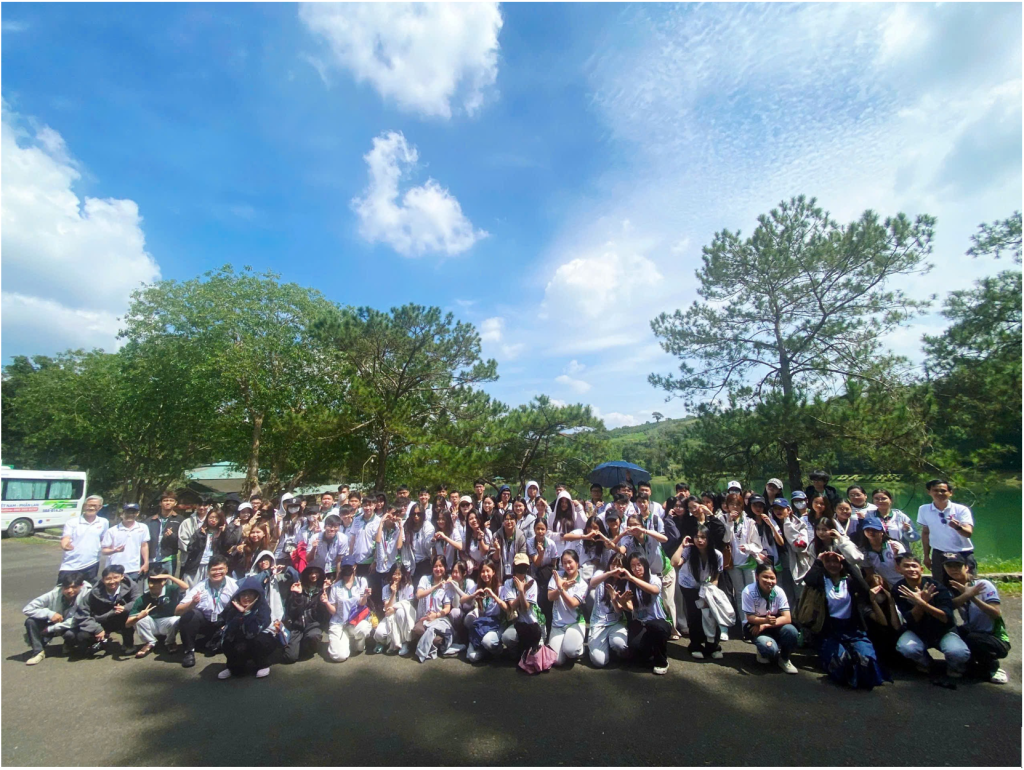
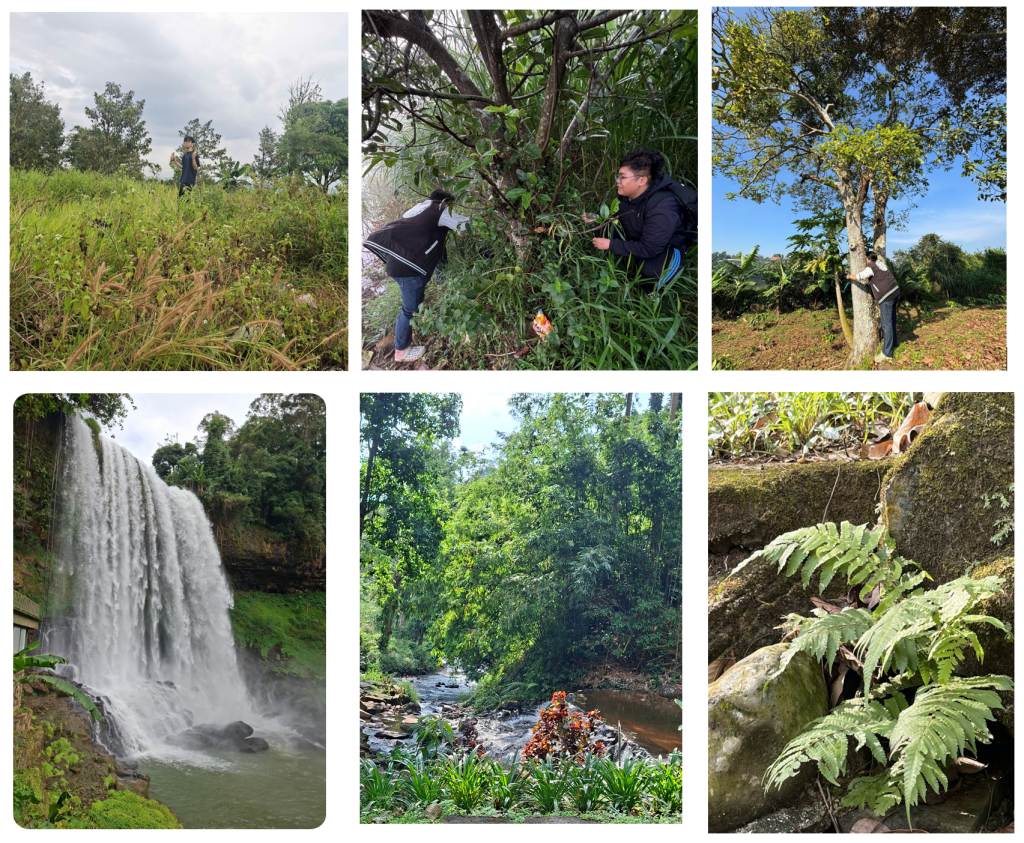
During the trip, students investigated various natural habitats, including mountainous forest ecosystems, vegetation communities, lakes, and waterfalls, with a particular focus on the Dambri Ecotourism Area. Through field observations and academic discussions, students explored the ecological characteristics of native, endemic, and conservation-significant plant species. They also examined the relationships between biodiversity, habitat conditions, and ecosystem functions. These field activities provided practical insights into the important roles of forest ecosystems in maintaining biodiversity, protecting water resources, and regulating the environment.
Beyond studying natural ecosystems, the program also emphasized the relationship between people, local cultures, and natural resources. Students explored local ecological and cultural values, including indigenous knowledge and traditional resource-use practices within local communities. These experiences helped students recognize that effective biodiversity conservation must go hand in hand with preserving cultural identity, promoting local knowledge, and supporting sustainable livelihoods.
Based on their field observations and investigations, students participated in group discussions, prepared reports, and proposed conservation measures suited to local conditions. Their recommendations focused on:
-
Protecting and restoring natural habitats;
-
Preventing vegetation degradation and minimizing disturbances to ecosystems;
-
Improving waste management and protecting water quality;
-
Promoting responsible ecotourism practices; and
-
Strengthening community participation in natural resource management.
The field trip not only reinforced students' subject-specific knowledge but also helped develop essential competencies, including field observation, ecological assessment, data analysis, teamwork, and science-based problem-solving. It demonstrated the importance of integrating theoretical learning with practical experience and connecting academic knowledge with the real-world demands of Environmental Science.
Through this experiential learning program at Bao Loc Campus, TDTU continues to provide students with opportunities to develop professional competencies, a conservation-oriented mindset, and a strong sense of social responsibility. These experiences contribute to the University's goal of preparing environmentally responsible graduates who can make meaningful contributions to biodiversity conservation and sustainable development.
The Faculty of Environment & Labour Safety would like to express its sincere appreciation to TDTU's Bao Loc Campus for its support and assistance in making this field-based learning program a success.
|
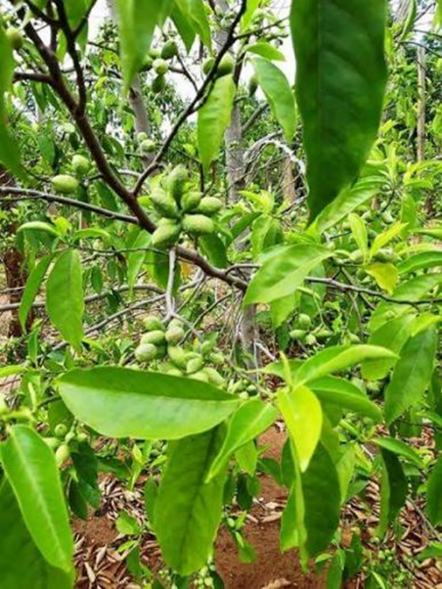
Talauma gioi A. Chev. |
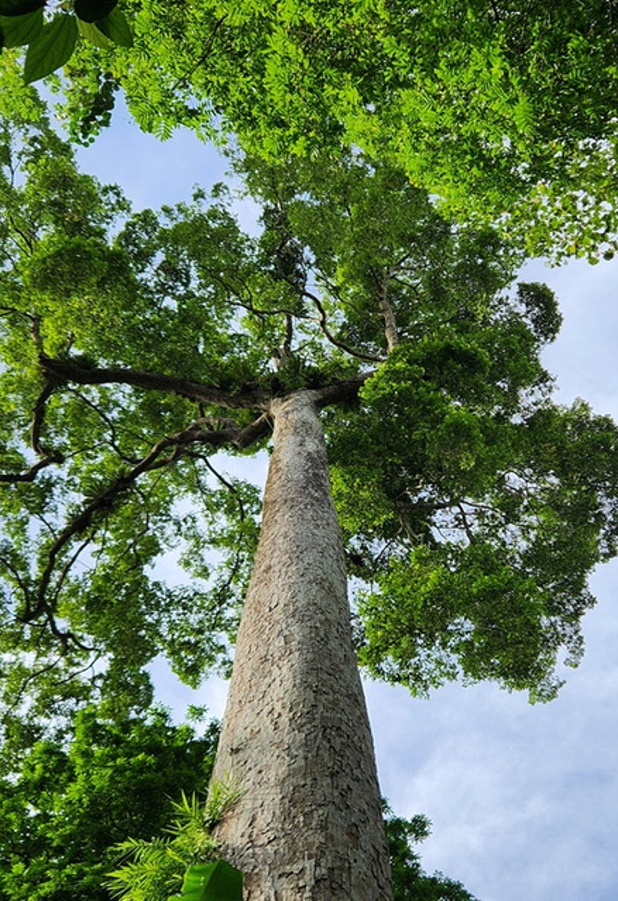
Hopea odorata Roxb. |
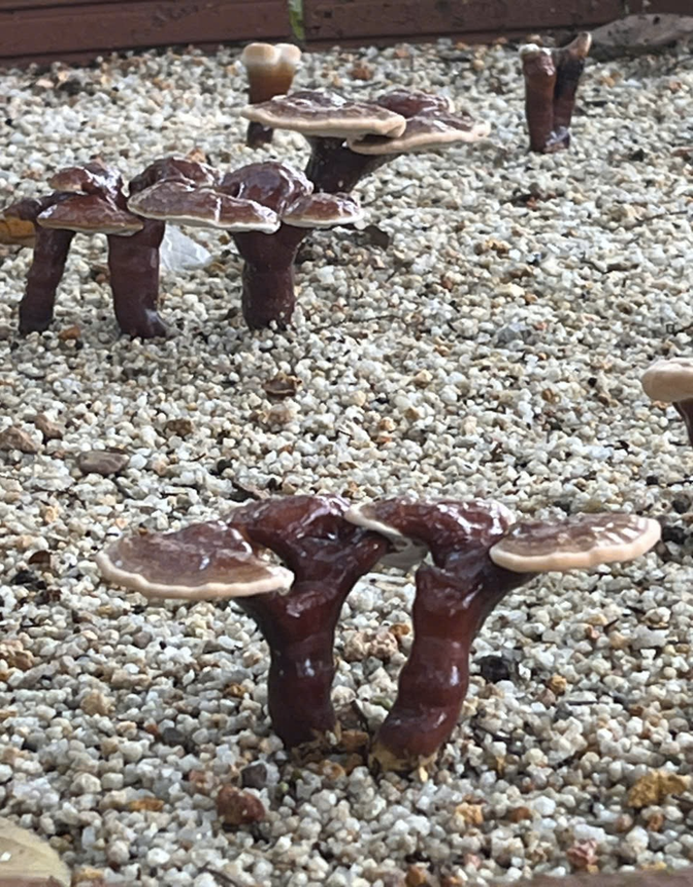
Ganoderma ucidum (L. ex.Fr.) Karst |
- Log in to post comments