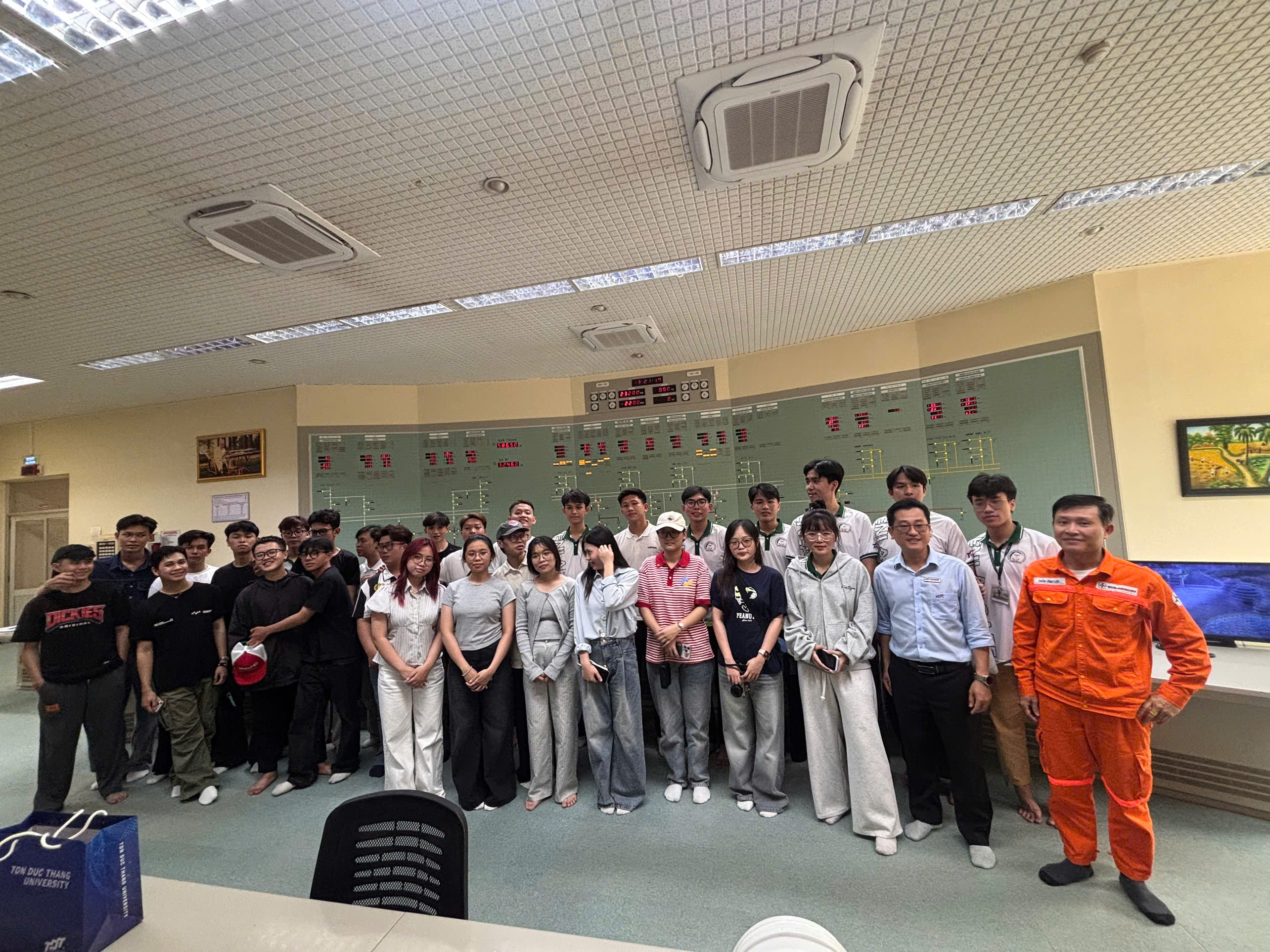
Campus Learning Activities - Bao Loc Campus and a field trip to the Ham Thuan - Da Mi hydroelectric power plant: Practical experience in occupational safety and health in a high-risk work environment.




To promote application-oriented training and provide students with direct exposure to real working environments, the Faculty of Environment and Labour Safety at Ton Duc Thang University organized a field trip to Hàm Thuận – Đa Mi Hydropower Plant for students majoring in Occupational Safety and Health.
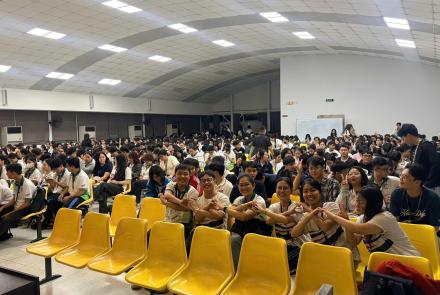
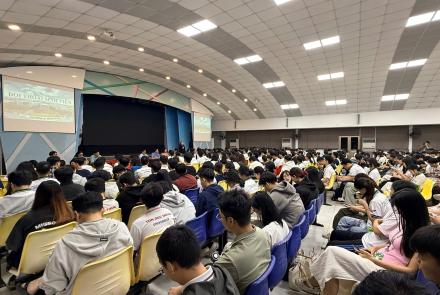
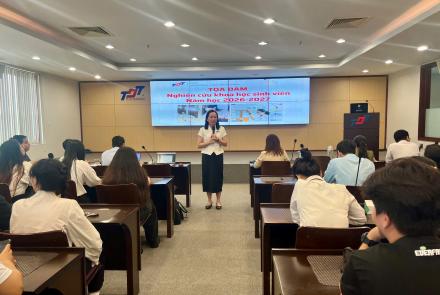
The trip departed on the morning of March 20 with the participation of lecturers and students. After nearly five hours of travel, the group arrived at the plant and promptly began their study tour activities. The students also had the opportunity to stay at the dormitory and attend learning sessions at the Bao Loc campus of Ton Duc Thang University. The trip concluded safely and successfully, leaving meaningful academic and professional impressions.
Beyond observation, students directly engaged with the hydropower plant’s operational system—an environment characterized by multiple hazards such as high voltage, rotating machinery, confined spaces, and risks associated with maintenance and operational monitoring.
A highlight of the trip was the active learning approach: students were encouraged to ask questions and seek answers from real-world operations. Many technical questions related to electrical safety were raised on-site, demonstrating analytical thinking and a focus on fundamental understanding, such as:
-
Why must transformer areas be strictly fenced and controlled?
-
Why is the foundation of transformers typically covered with gravel or equipped with drainage systems?
-
Why must transformers be properly grounded?
-
Why do transformers operate with alternating current (AC) rather than direct current (DC)?
-
Why does high voltage reduce power losses during transmission?
-
Why do transformers produce a humming sound during operation?
-
Why are large transformers cooled with oil instead of air?
-
Why do transformers still consume power under no-load conditions?
-
Why must correct polarity be ensured when connecting transformers?
Through direct observation and discussions with plant engineers, students gained not only knowledge of “what” happens, but also “why” it happens—an essential aspect of Occupational Safety and Health education.
Integrating occupational health in high-risk environments
In addition to safety engineering, the trip provided comprehensive insights into factors affecting workers’ health in the energy sector—an industry with high risks and strict working conditions.
Students explored:
-
The impact of noise, microclimate, and vibration in the plant;
-
Work pressure and extended shift schedules;
-
The characteristics of working in isolated and remote environments.
From this, they developed a deeper understanding of the importance of comprehensive occupational health management, including:
-
Periodic health examinations and occupational disease monitoring;
-
Ensuring physical fitness, mental well-being, and adaptability to isolated work environments;
-
Proper work organization to reduce stress and prevent psychological risks;
-
Implementation of long-term health and safety improvement programs.
Affirming the value of the discipline in a modern context
The field trip not only strengthened students’ knowledge but also broadened their perspective on the role of Occupational Safety and Health in real-world industry.
In the context of industrialization and modernization, this field continues to affirm its importance by:
-
Ensuring worker safety;
-
Minimizing accidents and production losses;
-
Contributing to sustainable, humane, and efficient working environments.
Beyond academic value, the trip also fostered student cohesion and motivated future learning and career development. It served as an important bridge between the university and industry in training high-quality human resources.
The Faculty of Environment and Labour Protection (TDTU) would like to express sincere gratitude to the management board and engineers at Hàm Thuận – Đa Mi Hydropower Plant for their enthusiastic support and valuable practical insights that contributed to the success of the trip.
In the coming time, the Faculty will continue to promote practical learning activities to enhance training quality and further promote the Occupational Safety and Health field to society.
Below are some highlights from the field trip:
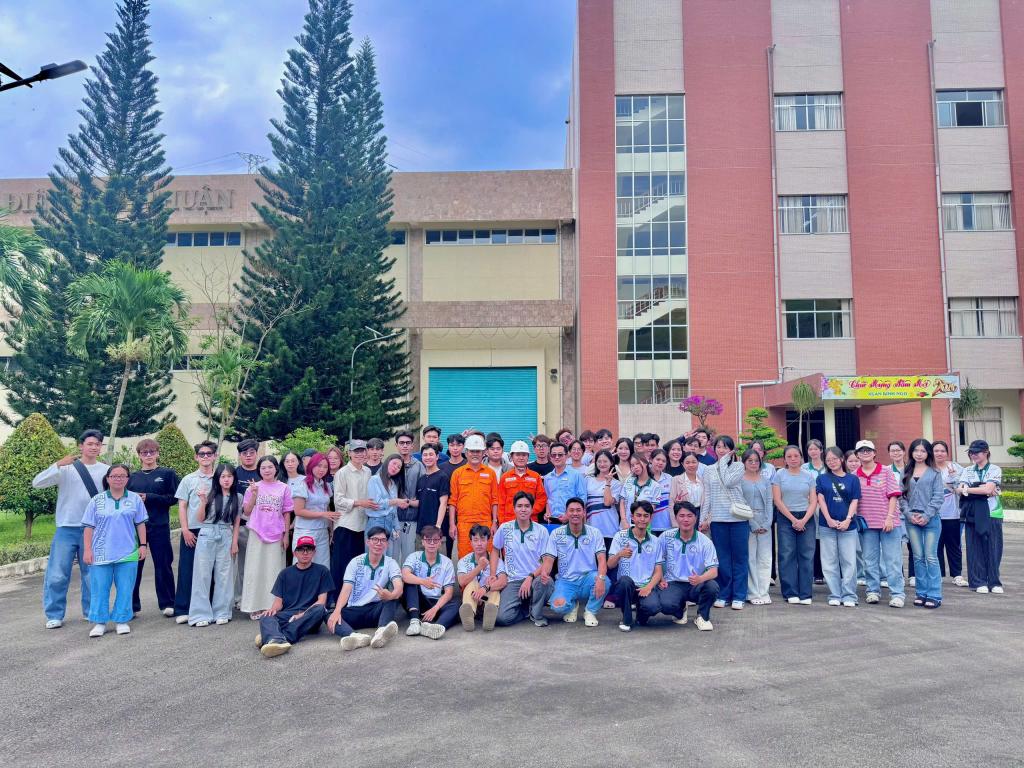
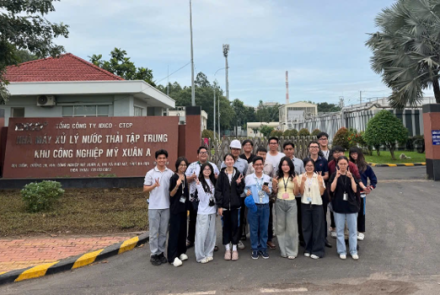
Students take a commemorative photo with safety officers of the Ham Thuan hydroelectric power plant.
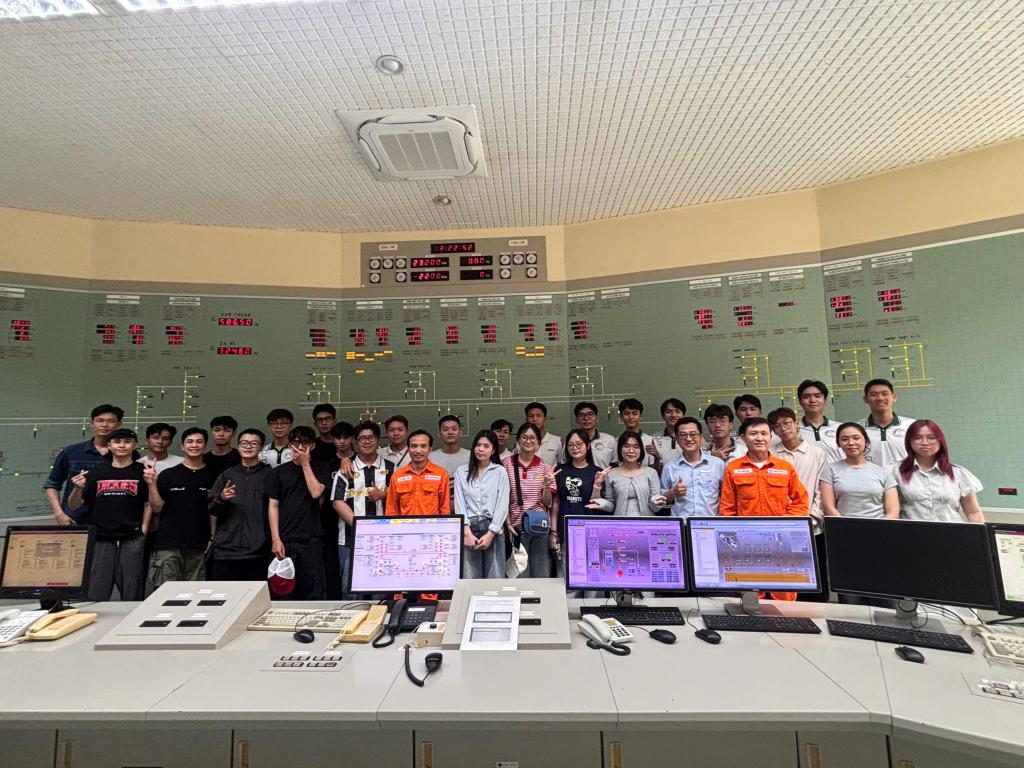
Visit at the control room area at Ham Thuan hydroelectric power plant.
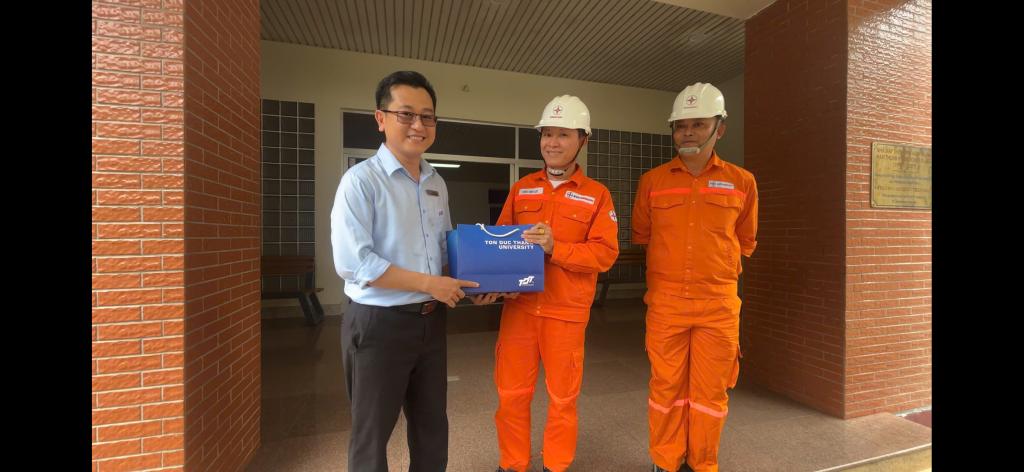
Mr. Tran Thuc Thien (Lecturer in the Faculty of Environment and Occupational Safety) presents a commemorative gift to the factory's management.
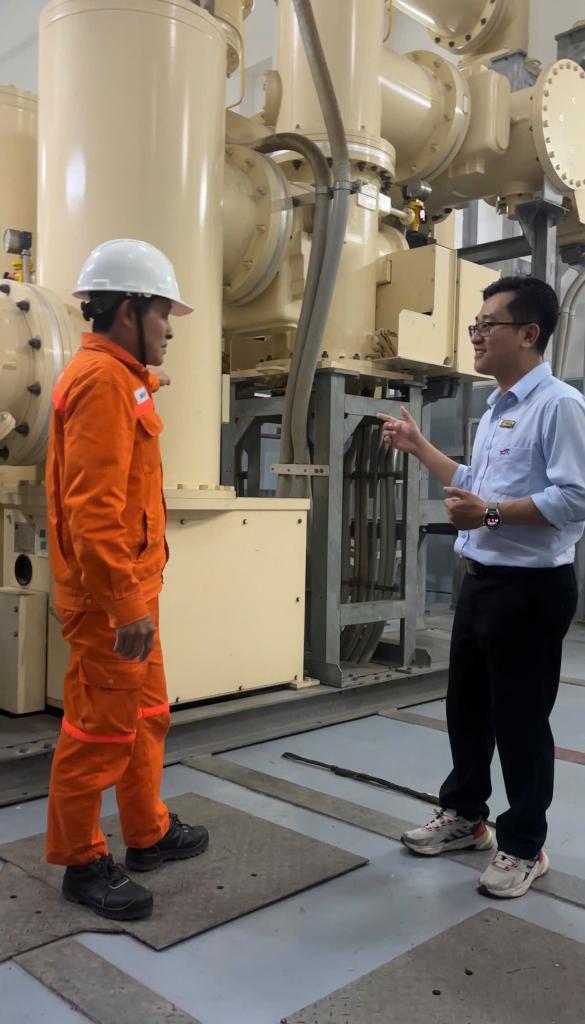
Lecturers from the Faculty of Environmental and Labour Safety visited and exchanged technical information with engineers at the factory.
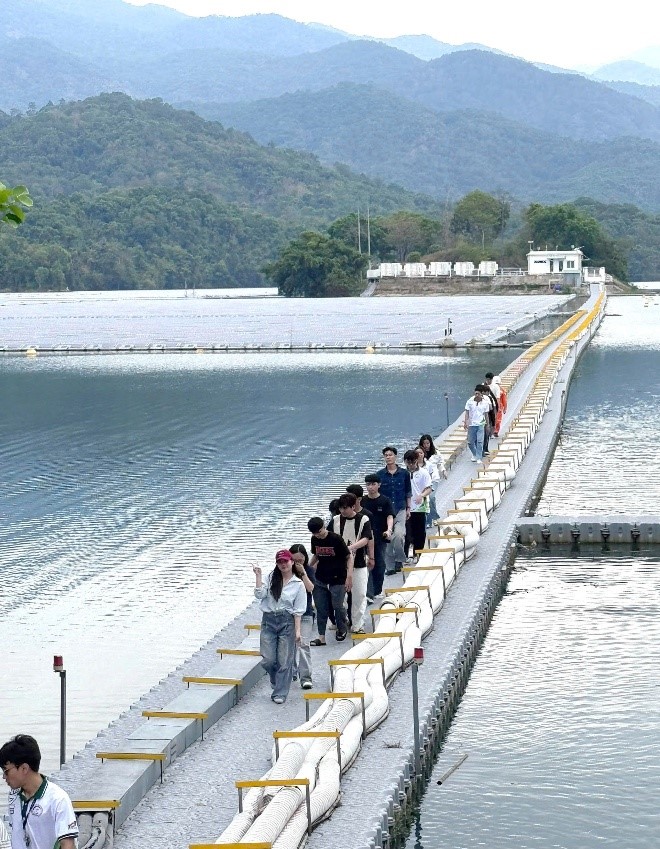
Students from the Enlabsafe visited a floating solar panel tank at Da Mi Lake.
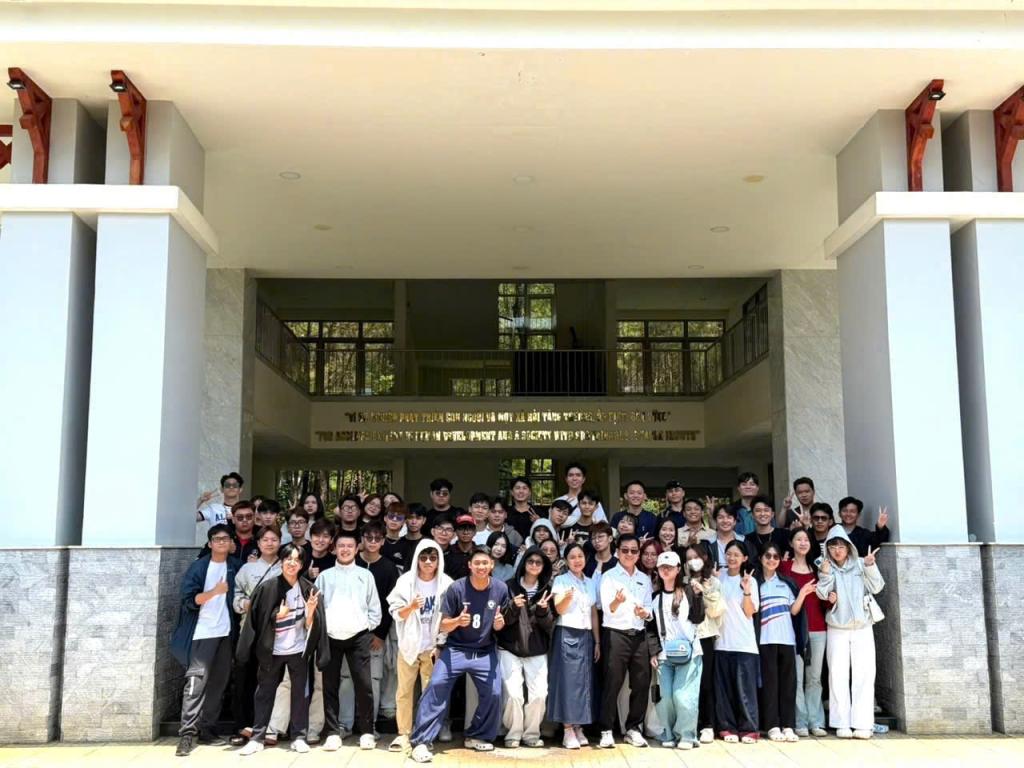
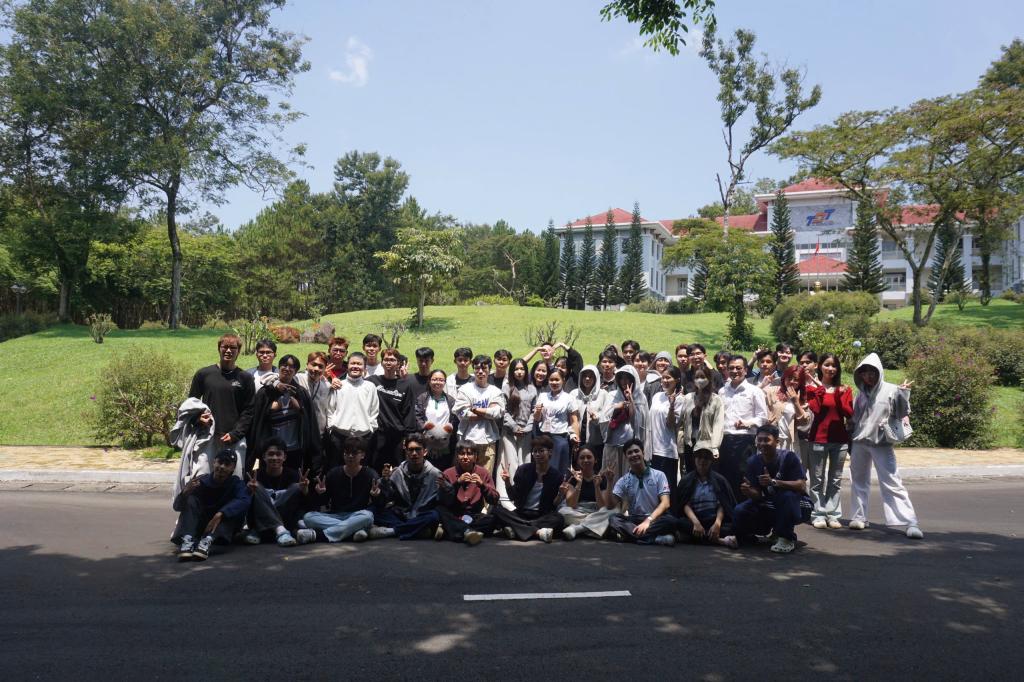
Mr Tran Thuc Thien and students from Enlabsafe pose for a commemorative photo at the Bao Loc campus.
- Log in to post comments